
For urgent or after hours enquiries please call our media team.
How psychological support helps with breast cancer
This Breast Cancer Awareness Month, Wesley psychologists Anna Sharashova and Susan Jones share insights into the emotional toll of breast cancer, the support available and what friends and family can do – or not do – to help.
Published 22/10/26
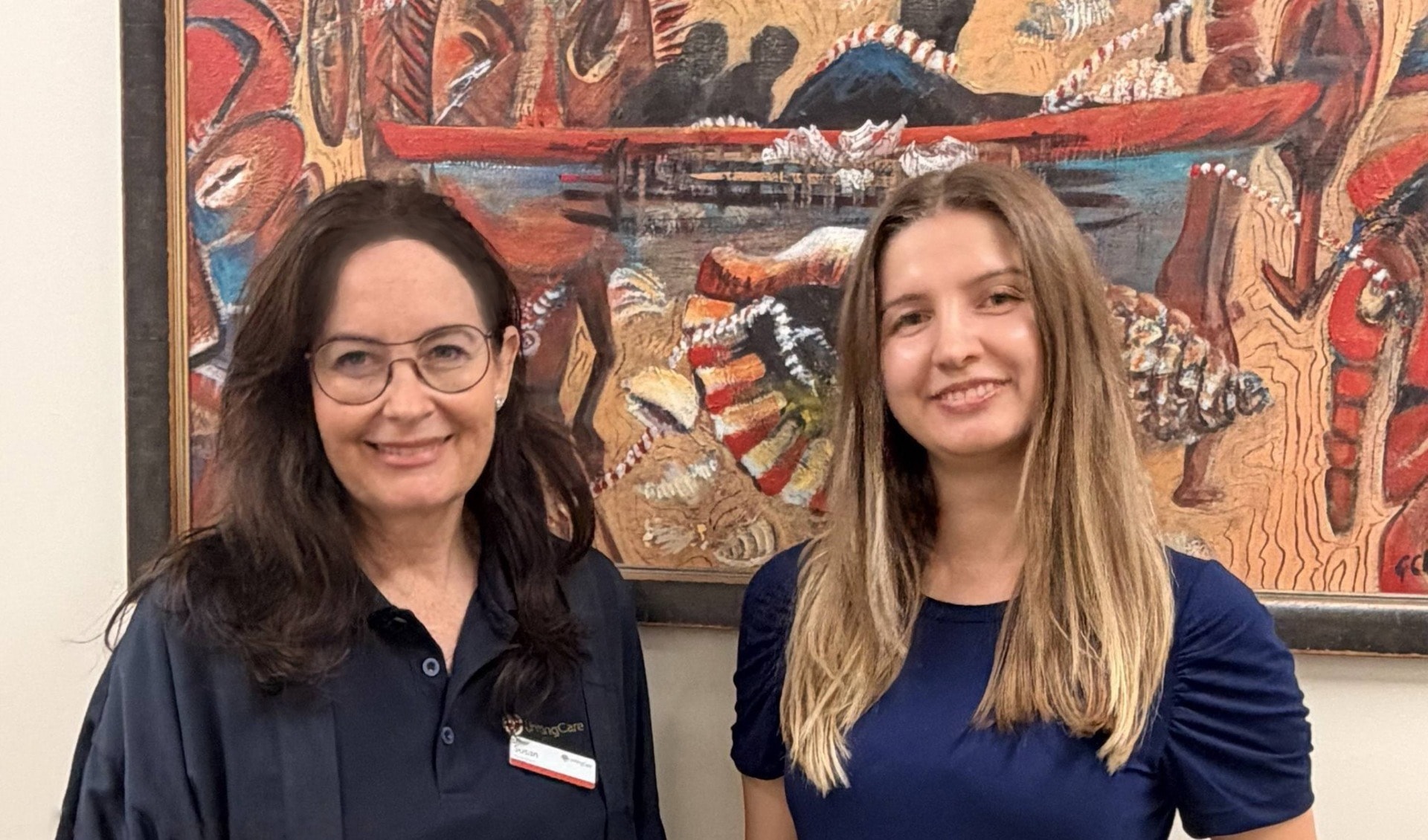
A breast cancer diagnosis can affect more than just the body, bringing emotional and psychological challenges as well.
This Breast Cancer Awareness Month, Wesley psychologists Anna Sharashova and Susan Jones share insights into the emotional toll of breast cancer, the support available and what friends and family can do – or not do – to help.
How do Wesley psychologists support people with breast cancer?
Anna: I support people with cancer as they navigate the emotional and psychological challenges that can come with diagnosis, treatment and life afterwards. This might include adjusting to changes in identity and body image, managing anxiety or uncertainty, coping with pain or fatigue, and finding ways to reconnect with what matters to them.
Susan: I work with the person, not the diagnosis. Breast cancer can affect your body, your energy, and how people treat you, all at once. The medical side usually gets a clear plan and the emotional side often doesn't. I see people individually and in groups, with our multidisciplinary team. That might mean practical tools for “chemo brain”, help with sleep, planning a return to work, or having a conversation they’ve avoided. I remember someone saying that after she was diagnosed, people stopped asking about anything else. There's a whole person in the room, and I want them to remember that.
What would you like people with breast cancer to know?
Anna: Breast cancer can affect so much more than the physical body. It can change how you see yourself, your relationships and your sense of what the future holds. There’s no “right” or “wrong” way to feel, it is about being able to acknowledge what’s difficult while finding ways to care for yourself and move forward.
Susan: The hardest time is often when treatment ends, when it can all finally hit. Be as kind to yourself as you'd be to someone you love. If you're usually the one looking after everyone else, asking for help isn't a burden and gives the people who care about you a way to support you. Ask for what you need, a meal, a ride, or someone who'll just listen. There are excellent support services, including The Wesley Hospital Choices Cancer Support Centre.
How can family and friends best support their loved one?
Anna: One of the helpful things you can do is say: “I care about you and would like to help. What would be helpful for you right now?” Rather than assuming what someone needs, share that you care, listen, stay present and offer practical or emotional support in ways that work for them. Remember that what someone needs can change from day to day.
Susan: Try not to fix things or cheer them up with “stay positive” or “at least …” comments. Sit with them when it's hard and let them feel what they feel. Instead of “let me know if you need anything”, offer specific help – dinner Friday, a lift to an appointment, picking up the kids. Keep checking in after treatment ends, when support often drops away and is needed.
What do you love most about your job?
Anna: I love walking alongside people through their life experiences and helping them navigate the challenges that come with them. I think there’s something really valuable about having someone there who can listen without judgement, understand their experience, and offer compassionate support grounded in psychological research and evidence.
Susan: The people I work with. It's a privilege being trusted during some of the hardest moments in people's lives. Working closely with a multidisciplinary team who bring different expertise to the same goal is deeply rewarding. The moments that stay with me are when someone feels seen, someone realises they still have choices, or takes a small step towards what's important, even with uncertainty. Watching someone leave with a lighter backpack and a stronger toolkit is what makes this work meaningful.
Anna and Susan are part of the multidisciplinary team of allied health professionals at the Wesley Day Rehabilitation Centre, which provides cancer rehabilitation programs.
Susan, who started in rehabilitation and returned to it after clinical, occupational and organisational work, says: “I've always cared most about supporting people through big life changes, building resilience, rediscovering identity and moving towards what matters. Cancer is personal for me too. I've sat with people I love through it.”
Anna, who has a background in private practice, working with couples and relationships, says: “Talk with your doctor or treating team about whether psychological support at the Day Rehabilitation Centre may be right for you. Psychological support can be one part of the broader team supporting you through cancer and recovery.”
Learn more about rehabilitation services at The Wesley Hospital.